

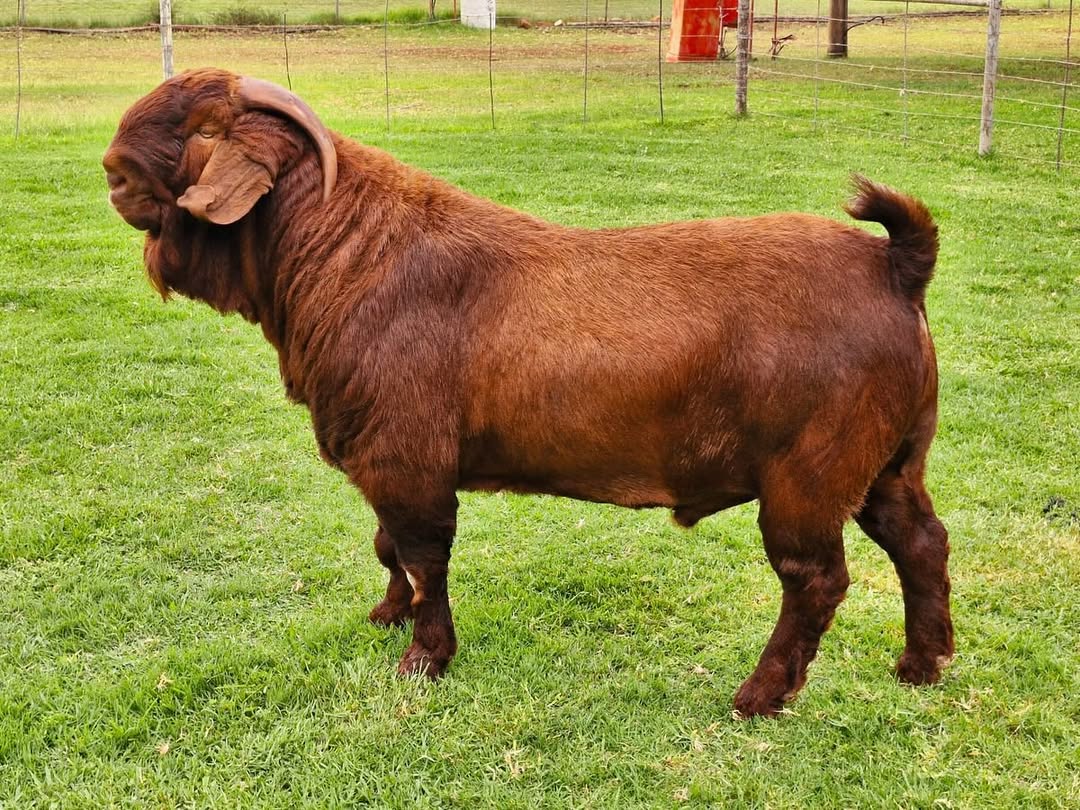


Kalahari Red Goat for Sale
Buy kalahari red goat for sale from experienced livestock exporters offering healthy breeding stock, veterinary checks, and global shipping.
 Contact Us Now – Fast Worldwide Response!

Description
Kalahari Red Goat for Sale – High-Performance Meat & Breeding Stock for Global Farmers
Anyone searching seriously for a kalahari Red goat for sale usually already knows one thing: these goats are not cheap pasture ornaments. They are built for meat production, hard conditions, and commercial breeding programs that actually need results.
The buyers contacting us lately are not hobby keepers. Most are ranch operators, commercial meat producers, crossbreeding farms, or livestock importers trying to improve carcass yield and herd durability without constantly fighting health problems or poor fertility.
That matters because Kalahari Reds are often marketed badly online. A lot of sellers throw around phrases like “premium bloodlines” without even providing weights, kidding records, dentition details, or vaccination history. Serious buyers want numbers, structure, fertility records, and honest communication — especially before putting animals into export quarantine.
That is where the real conversation starts.
Why Demand for Kalahari Reds Keeps Growing
The Kalahari Red originated in Southern Africa for a reason. Harsh heat, dry grazing conditions, long walking distances, and commercial meat production shaped the breed. Weak animals simply did not stay in the breeding pool.
You can usually spot a good Kalahari Red herd immediately:
- Deep red coat with good skin pigmentation
- Thick frame and strong hindquarters
- Fast-growing kids
- Good mothering ability
- Calm but alert temperament
- Strong walking ability and hoof structure
A mature buck in proper condition can easily push well over 110–130 kg, sometimes more depending on feeding and breeding intensity. Does commonly range between 70–90 kg. Some heavier lines exist, but oversized animals are not always the smartest choice commercially. Too much frame without feed efficiency becomes expensive fast.
That is one thing inexperienced buyers sometimes misunderstand. Bigger is not automatically better in commercial meat production. Efficient conversion matters more than impressive photos.
What Buyers Usually Ask First
Most international buyers asking about a Kalahari Red goat for sale focus on five areas:
1. Are the goats purebred?
Fair question. There are many red goats being sold online that are not true Kalahari Reds. Some are crosses with Boer genetics, and others are simply red commercial goats marketed aggressively.
A proper breeder should be able to discuss:
- Herd origin
- Breeding history
- Registration status if applicable
- Parent structure and performance
- Kid growth rates
- Fertility history
If a seller avoids detailed discussion and only sends glamour photos, that is usually a warning sign.
2. What is the actual meat performance?
This breed gained attention because of meat yield and survivability, not because of social media marketing.
Good Kalahari Reds typically show:
- Fast early growth
- Heavy muscling
- Strong dressing percentages
- Lower management stress in hotter climates
- Efficient grazing behavior
Crossbreeding programs also use Kalahari bucks to improve hardiness and meat characteristics in local goat populations.
We have seen this work particularly well in tropical and semi-arid regions where imported European breeds struggled after arrival.
3. How fertile are they?
Fertility separates profitable goat farming from expensive feeding projects.
Strong Kalahari Red does generally kid well, milk adequately for meat kids, and return to breeding condition without excessive pampering. Twinning rates are usually good under proper nutrition programs.
But buyers should understand something important here: fertility numbers mean nothing if herd nutrition is poor.
Some farms advertise “extreme kidding percentages” while underfeeding animals. That eventually destroys longevity and body condition. Good breeders balance reproduction with sustainability.
Temperament and Herd Management
One reason commercial farms like Kalahari Reds is their manageable temperament.
They are usually calmer than many aggressive meat goat lines, especially when handled regularly from a young age. That reduces handling injuries, transport stress, and fencing problems.
Still, they are goats. If fencing is weak, they will test it eventually.
We normally advise overseas buyers to prepare:
- Strong perimeter fencing
- Dry bedding areas
- Proper mineral supplementation
- Clean water systems
- Parasite management protocols before shipment arrival
A surprisingly common problem after import is buyers focusing heavily on purchase price while ignoring adaptation management once the animals land.
The shipment is only half the job.
Feeding Realities Most Sellers Don’t Mention
Some online advertisements make it sound like Kalahari Reds grow on rocks and dry grass alone. That is fantasy.
Yes, they are hardy. Yes, they handle difficult environments better than many breeds. But high-performance breeding stock still requires proper nutrition.
For commercial growth rates, we usually recommend:
- Quality hay or browse
- Protein supplementation during growth stages
- Mineral blocks with selenium and copper balance
- Controlled concentrate feeding where necessary
- Clean grazing rotation systems
Overfeeding breeding bucks is another mistake we see regularly. Fat bucks look impressive in photos but often perform poorly during breeding season.
Functional condition matters more than exhibition condition.
Health Checks and Veterinary Inspection
Any serious Kalahari Red goat for sale intended for export should go through structured veterinary procedures before shipment.
That normally includes:
- Physical inspection
- Blood testing
- Vaccination protocols
- Deworming
- Quarantine observation
- Export certification
Different countries require different paperwork. Some buyers assume livestock shipping works like ordering machinery. It does not.
Import permits, health certificates, and quarantine rules can delay shipments if paperwork is incomplete.
A responsible exporter should clearly explain:
- What tests are included
- Which vaccines were administered
- Expected quarantine timelines
- Mortality risk during long transport
- Insurance possibilities
- Destination-country requirements
If an exporter guarantees “zero risk,” they are either inexperienced or dishonest.
Livestock transport always carries some risk, especially with long-haul air freight.
Breeding Stock vs Commercial Stock
This distinction matters more than many buyers realize.
Breeding Stock
High-end breeding animals are selected for:
- Genetics
- Structure
- Fertility
- Mothering ability
- Growth performance
- Breed consistency
These animals naturally cost more because the buyer is investing in herd improvement over multiple generations.
Commercial Stock
Commercial goats may still perform well for meat production, but they are not always ideal breeding foundation animals.
The mistake some new importers make is trying to build a premium breeding program using cheap cull animals. That usually becomes expensive later.
Paying more initially for structurally correct breeding stock often saves years of frustration.
Export and International Shipping
Shipping live goats internationally is not a casual process anymore. Costs have risen sharply over the past few years, especially air freight.
Crate dimensions, transit duration, airport handling, feed requirements, and destination inspections all affect pricing.
Most buyers underestimate:
- Freight fluctuations
- Seasonal transport delays
- Import taxes
- Clearance agent costs
- Airport holding fees
Communication becomes critical during this stage.
A professional exporter should provide:
- Shipment updates
- Crating photos
- Veterinary documents
- Flight details
- Feeding schedules during transit
- Emergency contact procedures
Silence during shipment is one of the fastest ways to destroy buyer trust.
Pricing Factors Buyers Should Understand
People constantly ask why one kalahari red goat for sale is priced far higher than another.
Usually the answer comes down to:
- Genetics
- Age
- Weight
- Breeding history
- Registration status
- Export readiness
- Pregnancy status
- Structural quality
- Bloodline demand
Young breeding bucks from proven lines can command serious prices internationally, especially if semen quality, fertility records, and offspring performance are documented.
Cheap goats are rarely cheap for long.
A weak breeder costs feed every single day while producing disappointing offspring.
Building Long-Term Buyer Relationships
The livestock business is smaller than many people think. Reputation travels fast.
Most repeat buyers care less about polished marketing and more about:
- Honest communication
- Realistic timelines
- Accurate animal descriptions
- Consistent paperwork
- Responsive support after delivery
One thing experienced importers appreciate is transparency about imperfections.
No herd is perfect.
Some animals may have minor horn imperfections, lighter muscling, slower growth, or age-related wear. Serious breeders discuss these things openly instead of hiding them behind edited photos.
That honesty usually creates repeat customers.
Availability of Kalahari Red Goats
Availability changes throughout the year depending on kidding seasons, export scheduling, weather conditions, and breeding retention plans.
Strong breeding bucks are usually reserved early, especially before major export periods.
For buyers looking for:
- breeding pairs
- foundation herds
- commercial meat groups
- crossbreeding sires
- pregnant does
- registered breeding stock
…it is smarter to plan purchases ahead instead of waiting until transport slots become tight.
Last-minute livestock buying often leads to rushed decisions and poor animal selection.
Final Thoughts From a Practical Standpoint
A serious Kalahari Red goat operation is built on performance, not hype.
The breed has earned respect because it works commercially:
- good meat production
- strong maternal traits
- adaptability
- efficient grazing
- solid fertility
- export demand across multiple regions
But buyers still need to do proper due diligence.
Ask hard questions.
Request current videos, not old photos.
Review veterinary paperwork carefully.
Understand import costs before committing.
And pay attention to how a seller communicates once money discussions begin.
That usually tells you more about the deal than the sales pitch itself.
For farms looking to strengthen meat production genetics while maintaining hardiness and reproductive efficiency, a properly selected Kalahari Red herd can become a very profitable long-term investment.


Ivan Petrov – Plovdiv, Bulgaria –
After six months, I can confidently say this was a smart investment. The Kalahari Red goats are thriving and already improving our herd quality. Good genetics show quickly.
Noor Al-Hassan – Irbid, Jordan –
We wanted goats that could handle tough conditions and still perform. These Kalahari Reds have exceeded expectations. The after-sale advice was also very helpful. I felt supported throughout.
Michael Dube – Gweru, Zimbabwe –
This isn’t mass production—it’s thoughtful breeding. You can see it in the goats’ structure and behavior. I’m proud to recommend them to anyone looking for dependable Kalahari Red Goat genetics.
Daniel Roberts – Texas, USA –
I’ve bought goats from several breeders, and this was one of the best experiences. The Kalahari Red goats are thick, healthy, and exactly what was promised. No fluff—just quality livestock and good people.
Mei Lin Zhou – Yunnan, China –
We are new to Kalahari Red goats, and the guidance we received helped us start confidently. The animals arrived strong and adjusted quickly. It feels like a long-term partnership, not just a sale.
João Mendes – Alentejo, Portugal –
These goats are working animals, not just good-looking stock. Growth rate, fertility, and temperament have all been excellent so far. If you’re building a serious Kalahari Red Goat herd, this is a reliable source.
Rachel McKay – Canterbury, New Zealand –
I loved how transparent everything was—from photos to health details. The goats themselves are fantastic, but the trust built through the process really stood out. Would absolutely recommend them to other breeders.
Lucas Ferreira – Minas Gerais, Brazil –
I didn’t expect to feel this confident buying livestock internationally, but everything was smooth. The goats arrived healthy, well built, and calm. You can see the genetics working already. Highly recommended if you’re serious about meat goats.
Peter van Dyk – Windhoek, Namibia –
I’ve seen many Kalahari Reds over the years, but these animals have excellent muscle and balance. No surprises, no excuses—just quality goats and straightforward business. That’s rare these days.
Sophie Laurent – Toulouse, France –
What stood out to me was how approachable they were. I asked many questions and never felt rushed. The Kalahari Red goats we received are beautiful animals, and even our vet commented on their condition.
Ahmed El-Sayed – Fayoum, Egypt –
Our farm needed resilient goats that could handle heat and limited grazing. These Kalahari Reds have performed better than expected. Weight gain is consistent, and the animals are very manageable. I already recommended them to two neighboring farms.
Thabo Mokoena – Polokwane, South Africa –
I’ve worked with goats most of my life, and I can honestly say the Kalahari Red goats I bought from these guys stood out immediately. Strong frames, calm temperament, and they settled into our environment quickly. You can tell care and proper breeding are a priority here. I’d recommend them to any serious breeder.
Maria Gonzalez – Córdoba, Spain –
We were looking for high-quality Kalahari Red Goat breeding stock, and the experience exceeded expectations. Communication was clear, the animals were exactly as described, and the genetics are impressive. This wasn’t just a purchase—it felt like working with people who genuinely care about the breed.
James O’Connor – Perth, Australia –
I appreciated the honesty more than anything. No overselling, no pressure—just solid information and great goats. Our Kalahari Reds adapted well and are already showing strong growth. I’ll definitely be coming back when we expand.
Amina Yusuf – Kaduna, Nigeria –
These Kalahari Red goats are hardy and productive, exactly what we need in our climate. From transport advice to follow-up messages, the support didn’t stop after payment. That made a big difference for us as farmers.