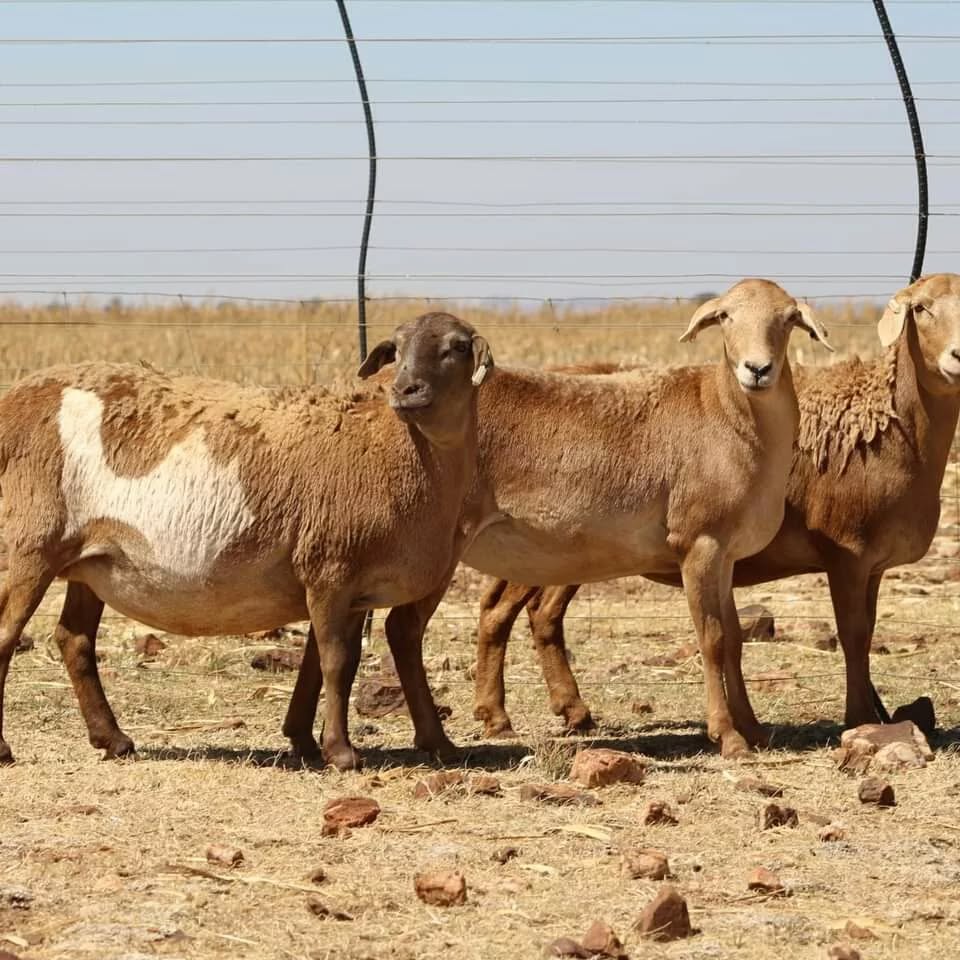
Meatmaster Sheep for Sale | Healthy Breeding Rams, Ewes & Commercial Meatmaster Sheep Available
Looking for Meatmaster sheep for sale? Shop healthy, veterinary-checked breeding sheep with export options available.

Description
Meatmaster Sheep for Sale | Premium Breeding Stock & Worldwide Export Available
Finding good sheep these days is not the difficult part. Finding consistent sheep is where buyers usually struggle.
A lot of breeders advertise heavy lambs or “top genetics,” but once the animals arrive, the fertility is poor, the flock struggles in heat, or the lambing percentage drops after one season. That is one reason why demand for Meatmaster sheep keeps growing in both commercial and breeding markets.
People are not buying them because they are fashionable. They are buying them because the breed works in real farming conditions.
We have seen Meatmasters perform well in dry areas, humid regions, mixed grazing systems, feedlots, and even under fairly rough management where some sensitive breeds would simply fall behind. They are practical sheep. Easy keepers. Fertile. Fast enough on growth. Calm enough to manage. And they recover quickly after transport if handled correctly.
For serious buyers searching for meatmaster sheep for sale, those are the things that matter more than fancy marketing photos.
Why Meatmaster Sheep for Sale Are Getting Popular Internationally
The Meatmaster breed was originally developed with production in mind, not show rings. That difference matters.
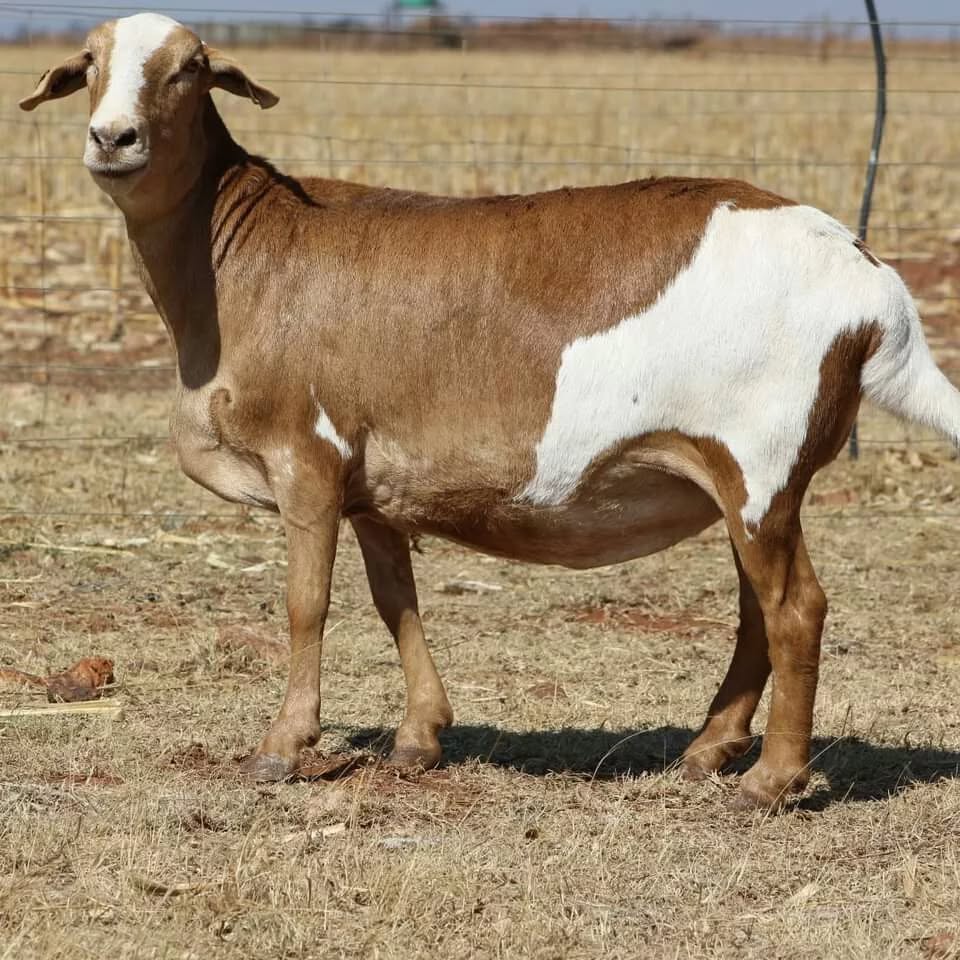
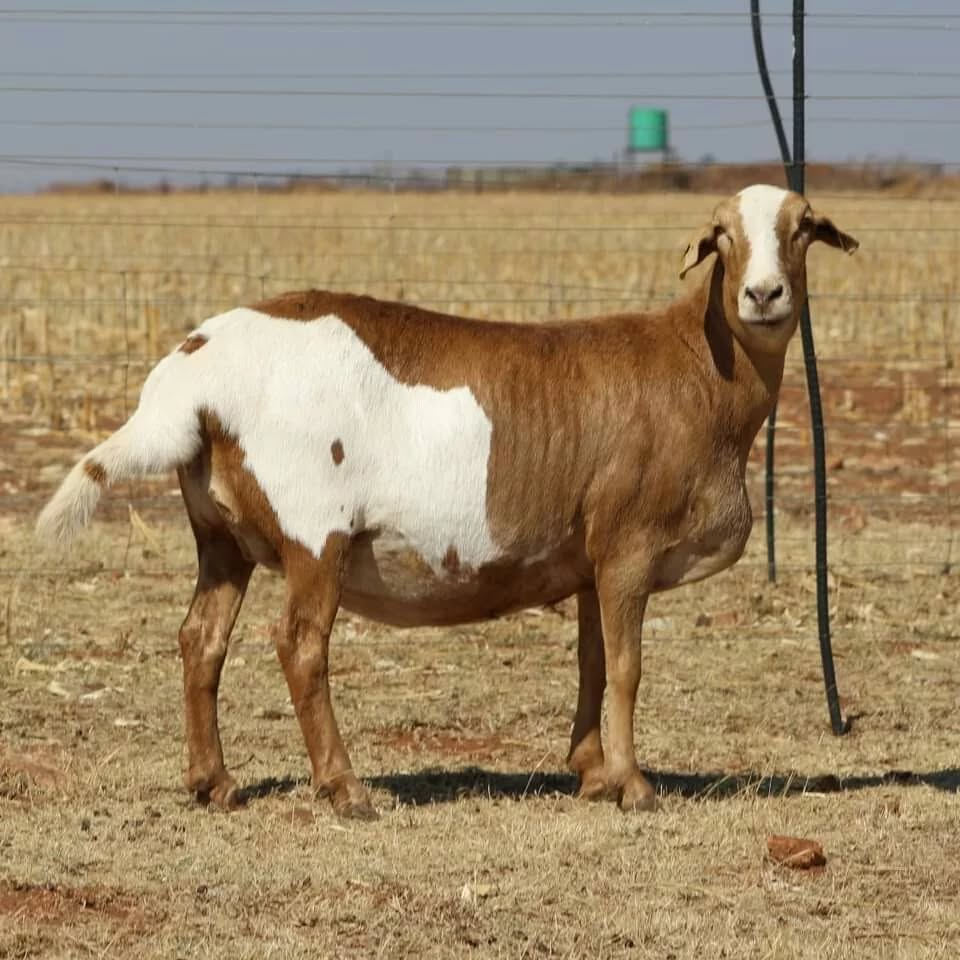
These sheep were bred mainly for meat performance, fertility, adaptability, and survival under African conditions. You can actually see it in how they move and feed. They are active grazers and generally less delicate than many imported terminal breeds.
One thing many commercial farmers appreciate is their lambing ability. Twins are common. Triplets are not rare in properly managed breeding groups. That changes the economics of a flock quickly.
A ewe that gives one weak lamb every season is expensive to keep. A ewe that consistently raises twins while maintaining body condition is a completely different story.
That is where Meatmasters have earned respect.
Growth Rate and Meat Performance
A good Meatmaster lamb grows aggressively if nutrition is right. Not magic-fast like some feedlot advertisements claim online, but commercially strong and reliable.
Under decent feeding conditions, buyers can expect:
- Good early growth
- Efficient feed conversion
- Strong muscling over the loin and hindquarters
- Lean carcass performance
- Lower maintenance compared to some larger framed breeds
Mature weights vary depending on bloodline and feeding systems, but most serious breeders focus less on extreme size and more on functional production.
Oversized sheep sometimes look impressive standing in a pen, but they can become expensive eaters with fertility problems. Experienced flock operators know this already.
Meatmasters usually strike a better balance between frame size, reproduction, and meat yield.
Fertility Is Probably Their Biggest Advantage
This is honestly where the breed separates itself.
A lot of buyers contacting exporters today are trying to rebuild flock numbers fast. Fertility matters more now than it did years ago because feed, labor, transport, and land costs have all gone up.
Low-producing ewes cost money every single month.
Good Meatmaster ewes tend to cycle well, mother strongly, and lamb with fewer problems than heavier exotic breeds. Their mothering instinct is one thing many repeat buyers specifically mention after receiving stock.
You also see decent conception rates even in hotter climates where some imported sheep struggle badly.
For commercial farms, that adaptability can save an operation from major losses during difficult seasons.
Temperament and Handling
People overlook temperament until they start loading trucks.
Nervous sheep lose weight faster during transport, stress easier, and injure themselves more often in holding yards.
Meatmasters are generally manageable animals if they have been handled correctly from an early age. Calm sheep travel better. They settle into new environments faster too.
That matters during export.
A shipment can involve:
- Farm collection
- Quarantine stations
- Veterinary inspections
- Loading ramps
- Airport or seaport holding
- Long-distance transport
- Final inland delivery
Animals with poor temperament usually deteriorate quickly during that process.
Health Checks and Veterinary Preparation Before Export
Any buyer looking for meatmaster sheep for sale internationally should ask detailed health questions before payment. Serious exporters expect this.
Healthy-looking sheep in photos are not enough.
Before export, proper livestock suppliers normally arrange:
- Veterinary inspections
- Vaccination programs
- Deworming
- Blood testing where required
- Identification tagging
- Export permits
- Quarantine observation
Different countries have different import requirements. Some markets request bluetongue testing. Others focus heavily on brucellosis, scrapie status, or foot-and-mouth compliance.
This paperwork side is honestly where inexperienced exporters get into trouble.
We have seen situations where animals were ready but documentation delayed the shipment for weeks because somebody ignored one small import requirement from the destination country.
That is expensive for both seller and buyer.
Good communication matters a lot here.
Feeding and Herd Management
One thing I personally like about Meatmasters is they are not overly complicated sheep.
They respond well to grazing systems and can still finish properly with supplemental feeding. Of course, performance always improves with better nutrition, but they usually hold condition better than many people expect.
Basic management still matters:
- Clean water
- Mineral supplementation
- Parasite control
- Good fencing
- Proper lambing supervision
- Vaccination scheduling
No breed performs well under neglect forever, despite what some advertisements suggest online.
Buyers should also understand that sheep coming from one climate may need an adjustment period after arrival. We always advise clients not to push imported sheep too hard immediately after transport.
Let them settle.
Hydrate properly.
Adjust feed gradually.
That alone prevents many losses.
Breeding Stock vs Commercial Stock
Not every buyer needs elite breeding animals.
Some clients mainly want commercial meat production sheep. Others are building breeding programs and want carefully selected bloodlines.
There is a price difference between the two.
Breeding Stock
Breeding animals are usually selected based on:
- Fertility history
- Structural correctness
- Growth records
- Maternal performance
- Breed characteristics
- Overall health condition
These animals cost more for obvious reasons.
A strong breeding ram can influence an entire flock within one season. Experienced buyers know not to cut corners on genetics.
Commercial Stock
Commercial sheep are often purchased for:
- Meat production
- Feedlot finishing
- Crossbreeding programs
- Large-scale flock expansion
These are generally more affordable and easier to source in larger quantities.
The important thing is honesty from the seller. A commercial ewe should not be marketed as elite breeding stock just because she photographs well.
That happens more often than buyers think.
Export Procedures and International Transport
International livestock shipping is not as simple as loading sheep onto a truck and sending them away.
There are several stages involved, especially for live export.
Most shipments follow a process like this:
- Animal selection
- Veterinary preparation
- Quarantine holding
- Export documentation
- Freight booking
- Loading supervision
- Arrival clearance
Air freight is commonly used for breeding sheep because it reduces travel time significantly. Sea freight can work for larger commercial consignments, but management during transit becomes more critical.
Some buyers are surprised by transport costs at first. Live animal freight is expensive now compared to years ago.
Fuel prices, airline space, veterinary compliance, and handling charges all add up quickly.
But cutting corners in livestock transport usually creates bigger problems later.
What Overseas Buyers Usually Worry About
After years in livestock trade, you start hearing the same buyer concerns repeatedly.
People worry about:
- Receiving weak animals
- Fake pregnancy claims
- Wrong breed types
- Poor communication
- Delayed shipments
- Sick animals after arrival
- Hidden costs
Fair concerns honestly.
That is why transparency matters more than aggressive sales talk.
Good exporters normally provide:
- Current videos
- Clear photos
- Weight details
- Age estimates
- Veterinary updates
- Honest timelines
No shipment process is perfectly smooth every time. Weather delays happen. Flights move. Government paperwork can slow things down unexpectedly.
Buyers usually stay calm if communication stays honest.
Silence is what destroys trust fastest in livestock export.
Pricing Factors for Meatmaster Sheep for Sale
Prices for Meatmaster sheep for sale vary a lot depending on several factors:
- Age
- Sex
- Genetics
- Fertility status
- Body condition
- Quantity ordered
- Export destination
- Freight method
- Seasonal demand
Pregnant breeding ewes naturally cost more. Proven rams from strong lines can become expensive very quickly, especially during breeding season demand.
Cheap sheep are not always cheap in the long run either.
A low-priced animal with poor fertility or weak health often becomes the most expensive purchase later.
Serious buyers usually focus on value rather than simply chasing the lowest number.
Availability Can Change Fast
One thing buyers should understand is good livestock does not always stay available for long.
Export-quality breeding groups are limited because reputable breeders also protect their own breeding programs. During strong demand periods, especially before religious festivals or breeding seasons, availability tightens quickly.
That is why experienced buyers normally secure stock early instead of waiting until the last minute.
Especially for larger orders.
Final Thoughts From a Practical Side
The reason many farmers continue searching for meatmaster sheep for sale is pretty simple.
The breed produces.
They handle pressure well.
They breed efficiently.
And they adapt to conditions that challenge many other sheep breeds.
No sheep breed is perfect. Anybody claiming that has probably not spent enough time around livestock.
But Meatmasters are practical animals for real production systems. That is why commercial farmers, exporters, and breeding operations keep investing in them.
Buyers who ask good questions, request proper health documentation, and work with experienced livestock suppliers usually avoid most of the problems that give international livestock trade a bad reputation.
At the end of the day, sheep trading is still heavily based on trust.
Good animals matter.
But honest communication matters just as much.


Daniel Koen – Upington, South Africa –
We bought Meatmaster sheep from these guys last season and honestly, the quality spoke for itself. Strong animals, calm temperaments, and they adapted fast. You can tell real thought goes into their breeding program. Would recommend them without hesitation.
Peter van Rensburg – Windhoek, Namibia –
Short version: excellent Meatmaster sheep, fair pricing, and professional service. Long version: our flock has improved noticeably in growth and condition since introducing their genetics.
Hassan El-Bakri – Ouarzazate, Morocco –
What impressed me most wasn’t just the sheep, but the honesty. The Meatmaster rams we received are hardy and performing well in our dry conditions. No hype—just good stock and good people.
Sarah McLeod – Dubbo, Australia –
I’ve dealt with plenty of sheep breeders over the years, but this was one of the easiest experiences I’ve had. The Meatmaster genetics were exactly as described, and the lambs are thriving. Solid communication from start to finish too.
Luis Fernández – Córdoba, Argentina –
What stood out to me was how practical their advice was. They didn’t just sell Meatmaster sheep—they helped us choose animals that fit our production goals. That made a real difference.
Johan Pretorius – Bloemfontein, South Africa –
These Meatmasters are built to work. Good muscling, strong legs, and low maintenance. You don’t need to babysit them. I’ll definitely be buying again.
Emily Carter – Amarillo, USA –
I was a bit nervous importing Meatmaster sheep, but the whole process went smoother than expected. The animals arrived healthy and settled in quickly. Very happy with the results so far.
Thomas Müller – Leipzig, Germany –
Even with our colder climate, the Meatmaster sheep adapted well. Growth rates are solid and the animals are robust. Professional operation and clear documentation throughout.
Ahmed Saleh – Aswan, Egypt –
Strong, healthy sheep with excellent heat tolerance. The Meatmaster breed performs well here, and the animals we bought were clearly well raised. Respectful and reliable seller.
Rachel Thompson – Lincoln, New Zealand –
We added a few Meatmaster ewes to test the breed, and now we’re planning to expand. Fertility has been great and they’re handling our conditions better than expected. Very pleased.
Oliver Grant – Perth, United Kingdom –
We were looking for hardy genetics, and the Meatmaster sheep delivered. The animals are calm, easy to handle, and productive. A refreshing experience overall.
Carlos Mendez – Chihuahua, Mexico –
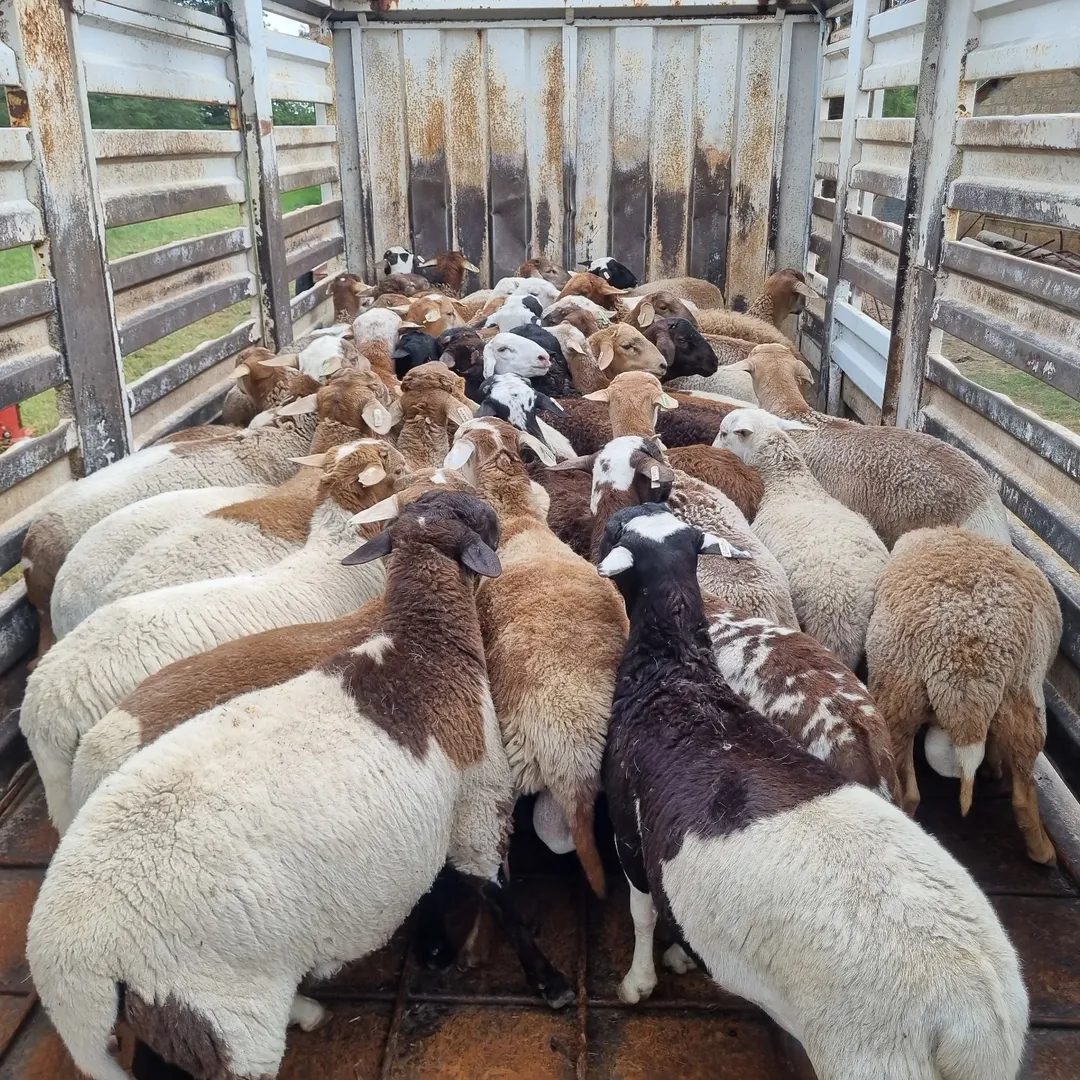
You can see the quality the moment you unload them. These Meatmaster sheep are tough, efficient, and exactly what we needed for our operation. Highly recommended.
Nomvula Dlamini – Mbabane, Eswatini –
I appreciated how approachable they were. No pressure, no rushing—just honest answers. The Meatmaster lambs are doing very well, and that’s what matters most.
Yuki Tanaka – Hokkaido, Japan –
We wanted resilient sheep genetics, and the Meatmaster breed has proven itself here. The animals arrived in great condition, and support didn’t stop after the sale.
Sipho Khumalo – Vryheid, South Africa –
These sheep are money in the bank. Strong veld performance, good carcass traits, and minimal losses. I’ve already recommended them to two neighbors.
Brian O’Connell – Limerick, Ireland –
What I liked most was consistency. What was promised is exactly what we received. The Meatmaster sheep are uniform, healthy, and performing as expected.
Fatima Al-Zahra – Tata, Morocco –
Not a flashy operation—just good breeding and honest work. Our Meatmaster ewes lambed well and required very little intervention. I trust their program.