
Toggenburg Goats for Commercial Dairy Farming | 100% High-Yield Dairy Breed for Sale With Global Shipping | Buy Now!
Commercial dairy farming is not a hobby.
It’s not guesswork.
And it’s definitely not the place to experiment with average genetics.
When you are investing real capital into infrastructure, feed systems, labor, and processing equipment, your breed choice becomes one of the most important financial decisions you will make.
And this is exactly why experienced dairy farmers consistently turn to toggenburg goats.
They are not flashy.
They are not trendy.
They are reliable, productive, and built for long-term milk production.
If you’re planning to start or expand a commercial dairy operation, this guide will walk you through everything you need to know — in practical, real-world terms.
What Makes Toggenburg Goats Different From Other Dairy Breeds?
There are many dairy breeds in the market. Some produce higher butterfat. Some grow larger. Some are popular because of marketing trends.
But toggenburg goats have something that commercial farmers value more than hype:
Consistency.
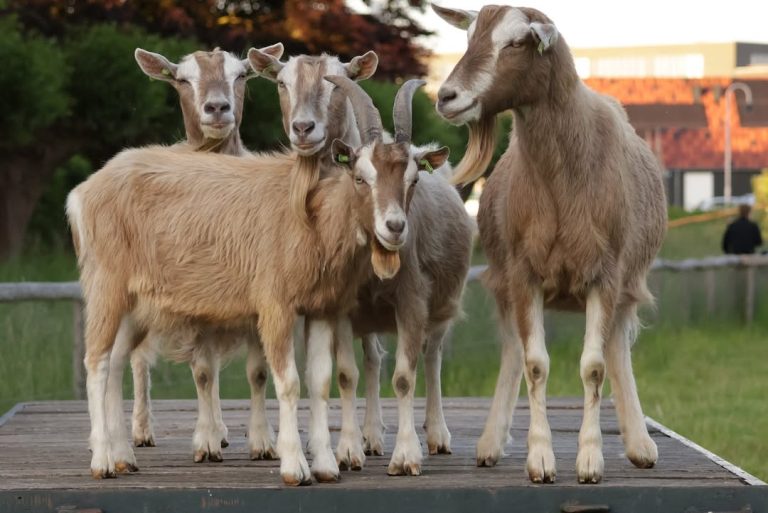
Originally developed in Switzerland’s Toggenburg Valley, this is one of the oldest known dairy goat breeds in the world. That history matters. It means the breed has been refined over generations for performance — not appearance.
They are known for:
- Steady milk production
- Strong udder structure
- Durable hooves
- Efficient feed conversion
- Long productive lifespan
In commercial dairy farming, predictability is profit. And this is where this breed excels.
Milk Production: What You Can Realistically Expect
Let’s talk numbers — because numbers matter.
A well-managed herd of toggenburg goats can produce:
- 700–1,000+ liters per lactation
- Lactation periods that extend 260–300 days
- Butterfat averaging 3%–4%
- Solid protein levels ideal for cheese yield
But here’s something most articles won’t tell you:
Milk output is not just about breed.
It’s about genetics + feed + management.
Two farmers can own the same breed and see completely different results.
That’s why sourcing from a reputable supplier with proven dairy lines is absolutely critical. High-producing bloodlines change everything.
Why Commercial Dairy Investors Prefer Toggenburg Goats
When you’re scaling, small inefficiencies multiply.
Here’s why experienced operators choose toggenburg goats:
1. Lower Feed Costs Compared to Cattle
Goats require less feed volume than dairy cows. That reduces ongoing operating expenses.
2. Smaller Land Requirement
You don’t need massive acreage to run a profitable goat dairy.
3. Faster Herd Expansion
Goats reproduce more quickly than cattle, allowing you to scale faster.
4. Multiple Revenue Streams
With this breed, you can generate income from:
- Fluid milk
- Cheese production
- Yogurt and specialty dairy
- Breeding stock
- Organic manure
That flexibility reduces financial risk.
Climate Adaptability: Built for Global Dairy Farming
One of the strongest advantages of toggenburg goats is adaptability.
Because they originated in Switzerland, they naturally tolerate cooler climates extremely well.
However, with proper housing, shade, and ventilation systems, they also perform efficiently in warmer regions.
This makes them suitable for:
- North America
- Europe
- Africa
- Asia
- Australia
- Middle East
If you are building a dairy operation outside Europe or the U.S., this breed still performs when properly managed.
Global scalability is one of the biggest reasons commercial buyers seek this breed internationally.
Feeding Strategy for Maximum Milk Yield
If you want elite production, feeding must be strategic.
High-producing toggenburg goats require:
- Quality forage (alfalfa or mixed hay)
- Energy-rich concentrate supplementation
- Balanced mineral mix
- Constant clean water
- Controlled protein levels during lactation
Underfeeding reduces output quickly.
Overfeeding wastes money.
Commercial dairy farming is about balance.
Housing & Herd Management Essentials
Infrastructure does not need to be luxurious — but it must be functional.
Key requirements:
- Dry bedding
- Proper drainage
- Airflow and ventilation
- Protection from extreme heat or cold
- Adequate space per animal
When toggenburg goats are kept in clean, low-stress environments, their milk consistency improves noticeably.
Stress reduces milk yield. Calm herds produce better.
Cheese Production Advantage
If your business model includes cheese, this breed becomes even more attractive.
Milk from toggenburg goats has:
- Good curd structure
- Reliable cheese yield
- Balanced fat-to-protein ratio
- Clean, mild flavor profile
Many artisan and commercial cheese producers choose this breed specifically for processing efficiency.
Long-Term Profitability Outlook
Dairy demand is increasing globally due to:
- Population growth
- Rising protein consumption
- Expanding specialty cheese markets
- Growing demand for digestible dairy alternatives
Goat milk is gaining recognition for digestibility and niche health markets.
Positioning your farm with strong dairy genetics now puts you ahead long-term.
And this is where sourcing matters.
Where to Buy High-Quality Toggenburg Goats for Commercial Dairy Farming
Not all toggenburg goats are equal.
Bloodline quality determines:
- Milk volume
- Lactation consistency
- Reproductive efficiency
- Disease resistance
- Long-term profitability
If you are serious about commercial dairy farming, your supplier matters as much as your infrastructure.
At Open Field Livestock Supply, we provide carefully selected, high-performing toggenburg goats suitable for:
- Commercial dairy startups
- Herd expansion
- Breeding programs
- International dairy investors
We work with clients globally and assist with:
- Health-certified animals
- Export documentation
- International shipping logistics
- Large-volume commercial orders
If you are ready to invest in premium dairy genetics, you can view available stock directly here:
👉 https://openfieldlivestocksupply.com/product/toggenburg-goat-for-sale/
Our team is available to help you select animals based on your production goals and regional climate.
Serious dairy investors are welcome.
Global Orders & International Shipping
Commercial farming today is global.
Whether you operate in:
- USA
- Canada
- UK
- Germany
- South Africa
- Nigeria
- UAE
- India
- Australia
We support international livestock sales with structured export processes.
If you are planning to scale quickly, bulk orders are available upon request.
Frequently Asked Questions About Toggenburg Goats
Are Toggenburg goats good for commercial dairy farming?
Yes. Toggenburg goats are widely used in commercial dairy farming due to consistent milk yield, adaptability, and efficient feed conversion.
How much milk do Toggenburg goats produce per year?
Under proper management, they can produce 700–1,000+ liters per lactation cycle.
Are Toggenburg goats suitable for hot climates?
Yes. With proper housing, shade, and ventilation, they adapt well to warm environments.
What makes Toggenburg goats profitable?
Their steady milk output, lower feed costs compared to cattle, and strong reproductive efficiency make them commercially attractive.
Where can I buy Toggenburg goats internationally?
You can purchase high-quality, health-certified Toggenburg goats directly from Open Field Livestock Supply via https://openfieldlivestocksupply.com/shop/.
Final Thoughts: Build Your Dairy Business on Strong Genetics
Commercial dairy success is not about luck.
It’s about:
- Selecting the right breed
- Investing in proven genetics
- Managing feed strategically
- Maintaining herd health
- Planning long-term growth
Toggenburg goats offer reliability.
They offer scalability.
They offer steady milk production that supports commercial profitability.
If you are building a serious dairy operation, start with serious genetics.
Your dairy future starts with the right herd.
And the right herd starts with quality selection.